
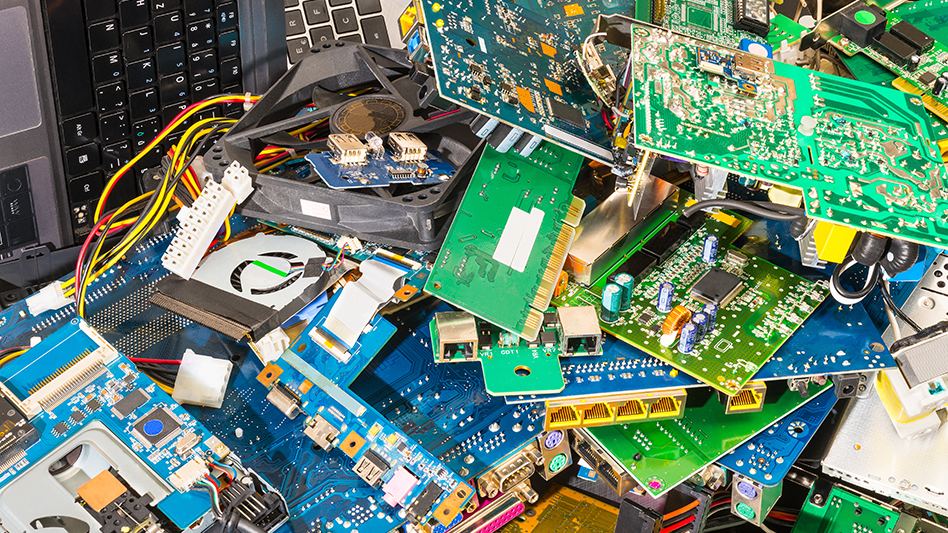
Understanding Local Computer Disposal
As digital technology continues to advance, the problem of disposing of old electronic devices has become increasingly pressing. With the prevalence of computers and other electronic gadgets in homes and businesses, understanding the appropriate and responsible method for local computer disposal is essential. In this comprehensive guide, we will explore the importance of responsible disposal, outline key regulations and guidelines, and highlight the environmental impact of electronics waste.
Importance of Responsible Disposal
Responsible disposal of computers is vital not just for the individual but for the environment and society as a whole. When computers are discarded irresponsibly, they often end up in landfills where they contribute to toxic waste. Various components, including metals, plastics, and glass, can leach harmful substances into the soil and water supply. Additionally, with the ongoing rise in e-waste, adopting sustainable disposal practices can significantly reduce pollution and promote recycling.
Key Regulations and Guidelines
Complying with local regulations regarding electronics disposal is necessary to avoid legal repercussions and protect the environment. Many regions have specific laws that governs the disposal of e-waste. For instance, manufacturers may be required to take back old devices or offer recycle programs. Familiarizing yourself with these rules can empower you to make informed choices about local computer disposal.
Environmental Impact of Electronics Waste
Electronics waste, or e-waste, poses a considerable threat to environmental sustainability. It is estimated that millions of tons of e-waste are generated globally each year, much of which contains hazardous materials. Components such as lead, mercury, and cadmium can cause significant environmental damage, harming wildlife and contaminating natural resources. Participating in local computer disposal programs can mitigate this impact and promote a healthier planet.
Options for Local Computer Disposal
When it comes to disposing of old computers, several avenues exist that ensure both environmental responsibility and personal convenience. Here, we will detail a variety of disposal options, including drop-off recycling centers, mail-in recycling programs, and donation opportunities.
Drop-off Recycling Centers
One of the most common methods for local computer disposal is using drop-off recycling centers. These centers are often operated by local governments or non-profit organizations and offer a safe way to dispose of electronic devices. Typically, they provide bins and facilities designed specifically for handling e-waste, ensuring that materials are processed correctly. It’s crucial to research local centers to find the nearest option and confirm what items are accepted.
Mail-in Recycling Programs
For those who prefer not to travel or have a large volume of e-waste, mail-in recycling programs are an excellent alternative. Many organizations offer free or low-cost mail-back options where users can send their old computers and peripherals for recycling. When utilizing these services, always ensure that the program is certified and follows proper disposal protocols to guarantee the responsible handling of electronics.
Donation and Reuse Opportunities
If your computer is still functional, consider donating it to local charities, schools, or community centers. Many organizations are eager to receive functional equipment that can be repurposed for educational or community use. Ensure to wipe personal data before donation to protect your privacy. Moreover, engaging in reuse helps extend the life of electronics and minimizes the need for new resources.
Steps to Ensure Secure Data Disposal
Before disposing of your old computer, one critical aspect to consider is secure data removal. This process is essential for protecting personal information and ensuring compliance with privacy regulations.
Data Wiping Techniques
Data wiping involves overwriting existing data on your hard drives to permanently destroy any recoverable information. Various software tools can be employed to wipe data securely, often using methods that conform to industry standards. This process ensures that sensitive information is irretrievable and provides peace of mind when disposing of devices.
Physical Destruction of Drives
For those who wish to take an extra precaution, physically destroying hard drives or other storage media is an option. This can be achieved through methods such as shredding, crushing, or incinerating the device. While extreme, this ensures that data can never be recovered and is a viable option for businesses or individuals handling highly sensitive information.
Legal Compliance for Data Disposal
Each region may have varying laws regarding data disposal, particularly concerning business operations. Be sure to check local legislation surrounding data destruction methods to ensure compliance. For example, your organization might be subject to GDPR, HIPAA, or other data protection regulations, necessitating specific disposal methods to protect sensitive data.
Benefits of Local Computer Disposal Services
Utilizing local computer disposal services offers various advantages that extend beyond merely getting rid of unwanted electronics. Understanding these benefits can motivate individuals and businesses to participate actively in responsible disposal practices.
Convenience for Consumers
One key benefit of local disposal services is the convenience they offer. Many centers provide flexible drop-off times, simple processes, and informative staff. This accessibility reduces barriers and encourages proactive e-waste recycling efforts, making it easier for individuals to dispose of their electronics responsibly.
Cost-effectiveness of Recycling
Many recycling programs are low-cost or even free, providing an economic advantage for those looking to dispose of their electronics. The reduced costs of recycling compared to the potential penalties for improper disposal make such programs an appealing option for consumers. Furthermore, some organizations also offer trade-in programs for functional electronics, providing financial benefits.
Supporting Local Businesses
Choosing local computer disposal services strengthens community engagement and supports small businesses or non-profits. By using these services, you contribute to the local economy and the sustainable development of your community, promoting a circular economy where resources are efficiently used and repurposed.
Frequently Asked Questions About Local Computer Disposal
What is local computer disposal?
Local computer disposal refers to the process of responsibly and sustainably disposing of old computers and electronic devices through recycling or donation methods that comply with environmental standards.
How can I securely dispose of my old computer?
To securely dispose of your old computer, you can use data wiping software or physically destroy the hard drive, ensuring that no personal information is recoverable before engaging in local computer disposal.
Are there costs associated with computer recycling?
Many local computer disposal services are free or low-cost. However, some facilities may charge a fee for specific items, so it’s advisable to check ahead regarding potential costs.
Where can I find local recycling centers?
You can find local recycling centers through community websites, local government resources, or environmental organizations that provide listings of certified e-waste recycling facilities.
Can I donate my old computer instead of disposing of it?
Yes, donating a functional old computer is a great alternative to disposal. Many charities, schools, and local organizations welcome working devices for educational or community purposes.