
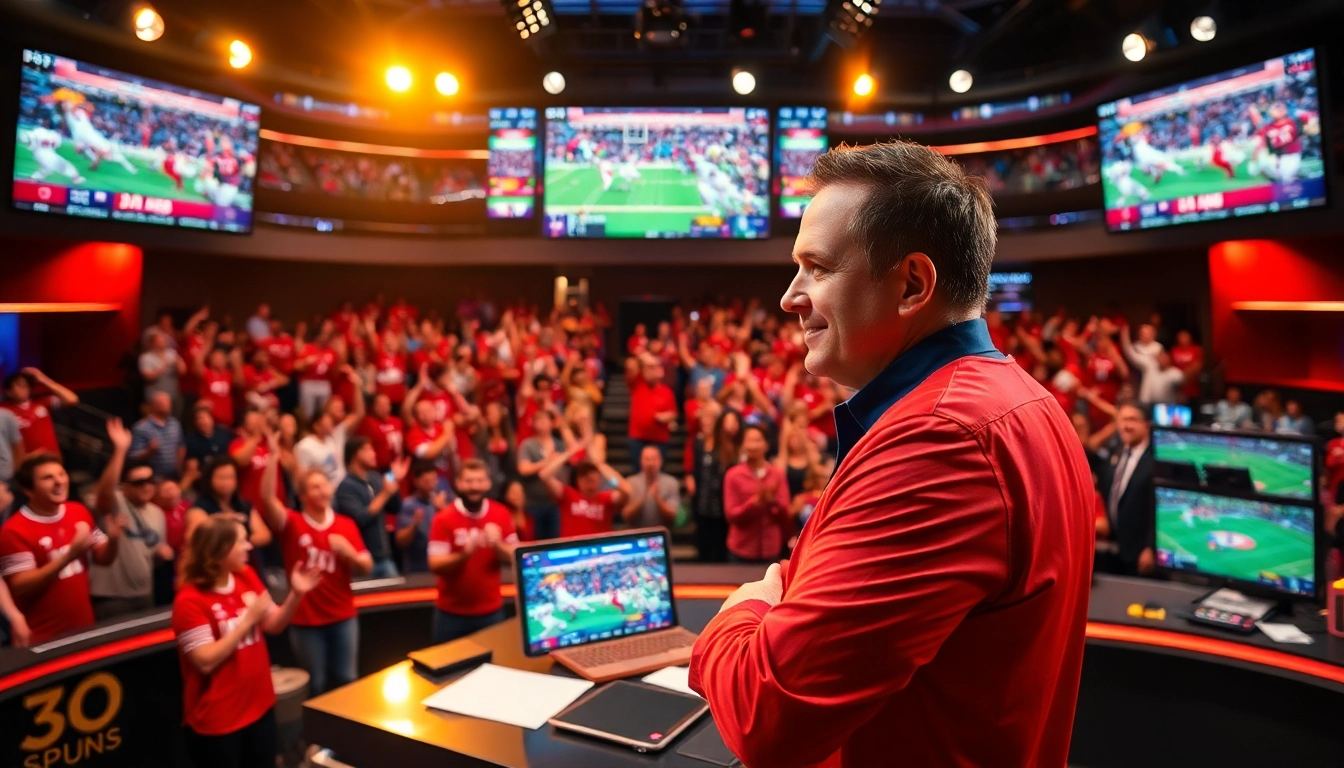
The Foundations of Sports Broadcasting
Understanding the Basics of Sports Broadcasting
At its core, Sports Broadcasting involves the transmission of live sporting events or recorded programs that highlight sports. This can take place via television, radio, and now increasingly, digital platforms. The primary goal is to provide viewers with the experience of watching a game as if they were present in the stadium. Knowledge of how sports broadcasting operates, from the selection of events to the production and distribution processes, is essential for anyone looking to enter or understand this dynamic industry.
The Role of Technology in Sports Broadcasting
Technology has transformed how sports are broadcasted, dictating everything from production quality to viewer engagement. High-definition graphics, instant replay systems, and advanced camera technologies enhance the viewing experience. Mobile streaming has become prevalent, allowing fans to watch games on their devices anytime and anywhere. Moreover, technologies like 5G networks promise even greater advancements in streaming quality and interactivity.
Key Players in the Sports Broadcasting Industry
The sports broadcasting ecosystem comprises various entities, including networks, production companies, and digital platforms. Major television networks often lead in broadcasting rights, partnering with leagues and teams to air content. New entrants from the tech world, such as social media platforms and streaming services, are challenging traditional players with innovative offerings and direct-to-consumer models.
Creating Engaging Sports Content
Storytelling Techniques for Sports Broadcasting
In the realm of sports broadcasting, storytelling is paramount. It allows broadcasters to personalize gameplay, making statistics relatable and amplifying the emotional stakes of events. Techniques such as player interviews, background stories, and context surrounding pivotal matches can all create richer narratives that captivate viewers. Engaging storytelling can elevate a game beyond mere statistics, fostering a deeper connection between the audience and the athletes.
Visual and Audio Elements That Captivate Audiences
Visual and audio elements are integral to sports broadcasting. The combination of dynamic camera angles, close-ups of players, audio commentary, and sound effects streams excitement into homes. Using techniques like slow-motion replays, on-screen graphics, and music adds to the dramatic atmosphere and can enhance audience engagement. Quality production values significantly contribute to how viewers perceive the action unfolding on screen.
Ways to Analyze Audience Engagement
Measuring audience engagement is vital for continuous improvement in sports broadcasting. Techniques include monitoring viewer ratings, analyzing social media interactions, and employing feedback through surveys. Advanced analytics tools can ascertain which moments garner the most attention, allowing broadcasters to understand preferences and refine their content strategy accordingly. Analyzing demographics and viewer behavior can guide content creation for future broadcasts.
Emerging Trends in Sports Broadcasting
Impact of Social Media on Sports Broadcasting
Social media has revolutionized sports broadcasting, creating new avenues for content dissemination and audience engagement. Platforms such as Twitter, Facebook, and Instagram serve as channels for real-time updates, highlights, behind-the-scenes content, and fan interactions. Broadcasters who effectively leverage social media can engage viewers before, during, and after events, fostering a community among fans and enhancing overall experience.
Virtual Reality and Its Role in Sports Broadcasting
Virtual reality (VR) is ushering in a new era for sports broadcasting, offering immersive experiences that traditional formats cannot match. Fans can, from their living rooms, experience games as if they were present, with 360-degree views of the action. VR technology ushers in interactive elements, such as virtual replays and in-game analysis that enhance the way audiences experience sports.
Sustainability in Sports Broadcasting Practices
As global awareness around sustainability grows, sports broadcasting is beginning to address its environmental impact. This includes minimizing waste through eco-friendly practices and utilizing digital platforms to reduce the carbon footprint of physical broadcasts. Sustainable broadcasting not only appeals to environmentally conscious fans but also sets a standard for accountability in the industry.
Challenges in Sports Broadcasting
Navigating Rights and Copyright Issues
Rights management remains a significant hurdle in sports broadcasting. Exclusive rights agreements dictate which networks can show specific events, leading to intense competition for contracts. Navigating these rights involves complex negotiations, often mediated by legal experts who ensure compliance with regulations and prevent unauthorized broadcasts, thereby safeguarding the value of sporting events.
Adapting to Rapid Technological Changes
The speed at which technology evolves can be a double-edged sword for sports broadcasters. Keeping pace with innovations like Artificial Intelligence, augmented reality, and big data analytics requires substantial investment in infrastructure and staff training. Traditional broadcasters must balance evolving technology with maintaining a quality viewing experience that resonates with loyal audiences.
Strategies for Handling Live Broadcast Challenges
Live broadcasts are fraught with unpredictability, from technical glitches to inclement weather. Having contingency plans in place is vital to ensure uninterrupted service. This could involve backup equipment, pre-planned communication strategies for on-air talent, and real-time audience engagement tactics to keep viewers informed and entertained during challenges. Practice and preparation can significantly enhance resilience in live broadcasting scenarios.
Measuring Success in Sports Broadcasting
Key Performance Indicators for Sports Broadcasting
Identifying Key Performance Indicators (KPIs) is crucial for measuring the success of sports broadcasting efforts. Metrics such as viewer ratings, audience retention, social media engagement, ad revenue, and conversion rates can provide critical insights into the effectiveness of broadcast strategies. Utilizing a blended approach of quantitative and qualitative data creates a holistic view of performance.
Using Analytics to Improve Broadcasting Strategies
Analytics are reshaping how broadcasters develop their strategies. Through detailed analytics tools, broadcasters can track viewer behavior, assess what resonates, and identify areas needing improvement. Detailed reports and real-time analytics equip decision-makers with actionable data that fuels strategic shifts, ensuring that broadcasts continuously align with audience preferences and habits.
Gathering Feedback and Iterating on Content
Iterative content improvement relies on consistent feedback cycles. Engaging with audiences through surveys, social media interactions, and direct feedback during broadcasts can produce invaluable insights. Analyzing this feedback allows broadcasters to evolve their content offerings in response to viewer preferences, ensuring that the experience remains fresh, relevant, and captivating over time.
Frequently Asked Questions
What is sports broadcasting?
Sports broadcasting is the dissemination of sports events or related programming across platforms, including television, radio, and streaming services, aiming to connect audiences with live or recorded sporting content.
How does technology impact sports broadcasting?
Technology enhances sports broadcasting through high-definition visuals, instant replays, streaming capabilities, and interactivity, significantly improving the viewer experience and engagement levels.
What are the key performance indicators for sports broadcasting?
Key performance indicators (KPIs) for sports broadcasting include viewer ratings, audience retention, ad revenue, social media engagement, and feedback, helping assess the success of broadcasting efforts.
What trends are shaping the future of sports broadcasting?
Emerging trends in sports broadcasting include the increase of social media engagement, adoption of VR technology, and a focus on sustainability practices, all of which redefine viewer experiences.
How can broadcasters manage live event challenges?
Broadcasters can prepare for live event challenges by developing contingency plans, having backup equipment, and establishing clear communication strategies to maintain viewer engagement amid unforeseen disruptions.


