Introduction to Custom Pins
Custom pins have emerged as an indispensable tool for branding, recognition, and personal expression. These small, yet impactful, accessories offer an innovative way to convey messages, commemorate events, or showcase an organization’s visual identity. Whether used as giveaways at corporate events, awards for employee achievements, or merchandise for fan clubs, custom pins can add a unique touch to any occasion. In this comprehensive guide, we will explore the evolution of custom pins, discuss their diverse applications, and provide insights on how to create your own.
What Are Custom Pins?
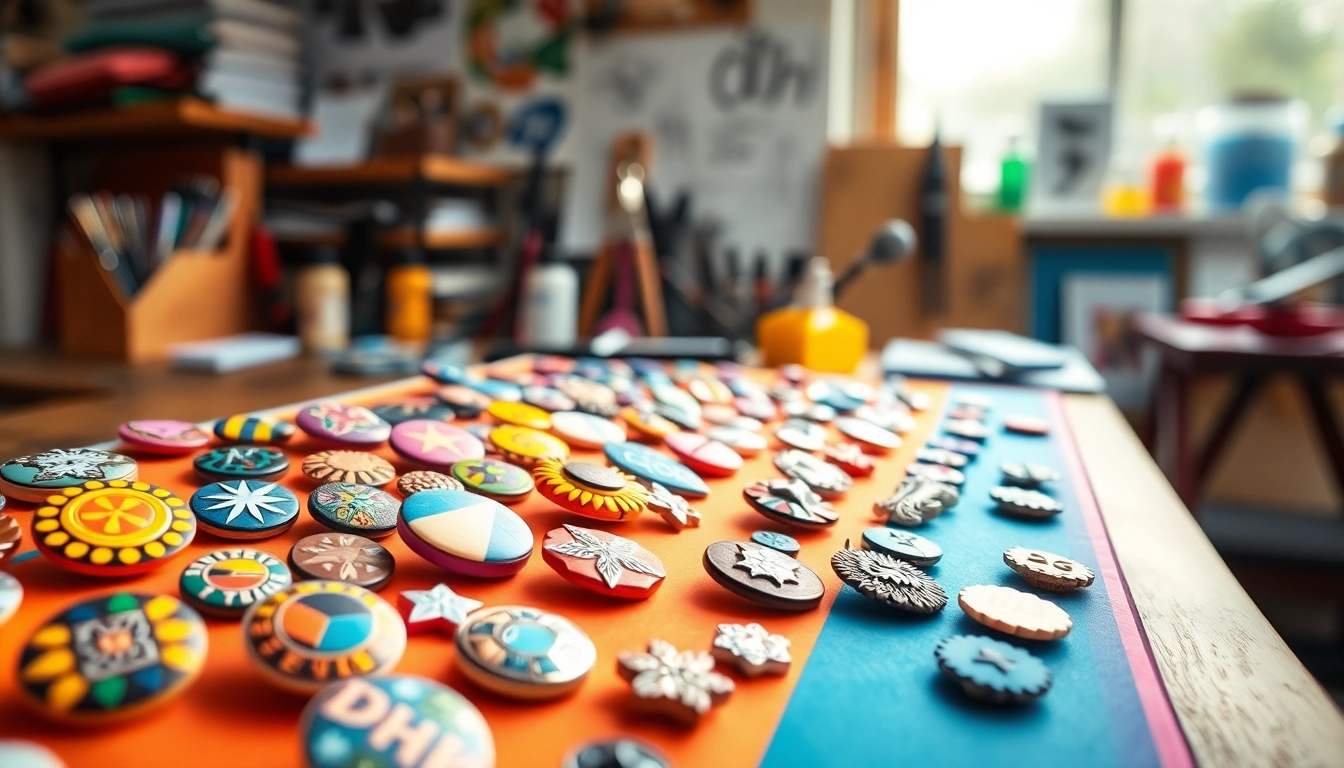
Custom pins, often referred to as lapel pins or enamel pins, are small decorative items worn on clothing or accessories. They can be crafted from various materials, including metal, plastic, and wood, and are designed with specific graphics, logos, or messages that reflect the wearer’s identity. The appeal of custom pins lies in their versatility; they can be styled to suit any theme—formal events, casual gatherings, or even as art pieces that express personal beliefs and interests.
History and Evolution of Custom Pins
The history of custom pins can be traced back to ancient civilizations where they served as markers of status and distinction. They were often made from precious metals and adorned with intricate designs. Over the years, the functionality and aesthetics of pins have transformed significantly. The industrial revolution introduced mass production techniques that made lapel pins more accessible to the public, and today’s custom pins range from simple designs to complex, multi-colored creations that reflect contemporary art styles or pop culture references.
Why Choose Custom Pins for Your Next Event?
Custom pins serve various purposes, making them a strategic choice for events. Firstly, they are excellent for brand recognition; featuring a logo on a pin can increase visibility and create a lasting impression. Secondly, they act as tangible tokens of appreciation or achievement; giving a pin to an employee or a participant can enhance feelings of belonging and recognition. Lastly, custom pins are cost-effective marketing tools that can be produced in bulk at low costs while providing exceptional quality.
Types of Custom Pins Available
Exploring Enamel Custom Pins
Enamel custom pins are popular for their rich colors and glossy finish. They come in two primary types: soft enamel and hard enamel. Soft enamel pins have raised metal edges with a textured surface, making them a budget-friendly option ideal for intricate designs. In contrast, hard enamel pins are polished to create a smooth surface, giving them a high-end look that is perfect for formal occasions.
Die-Struck Custom Pins Explained
Die-struck pins are crafted by pressing a design into a metal sheet, creating a raised or recessed pattern. This method of production provides a vintage feel while also ensuring durability. Die-struck pins are often plated with gold or silver to enhance their appeal, making them a favorable choice for organizations wishing to convey a message of prestige or tradition.
Offset Printed Custom Pins: A Modern Approach
Offset printed pins utilize digital printing technology to transfer images directly onto metal bases. This method is ideal for designs that require intricate detail or photographic elements, as it allows for full-color printing without size limitations. While they may lack some of the texture and depth of enamel pins, offset printed custom pins provide a vibrant aesthetic that can capture the attention of any audience.
Designing Your Custom Pins
Key Design Elements for Custom Pins
The design of custom pins is crucial to their effectiveness. Key elements include the shape, colors, and graphic elements. Shapes can vary widely, from classic round or square designs to more unconventional forms that reflect the theme of the event or organization. The choice of colors should align with brand identity or event themes, ensuring visual cohesiveness.
Choosing Colors and Finishes for Impact
Colors evoke emotions and can significantly influence how a pin is perceived. Bright, bold colors attract attention, while muted tones can convey professionalism. When selecting finishes, consider matte versus glossy surfaces; each offers a distinct aesthetic that can enhance the overall design. Additionally, using metal plating options can add elegance and further elevate the pin’s visual impact.
Tips for Using Graphic Design Software
Designing a custom pin requires proficiency in graphic design software like Adobe Illustrator or CorelDRAW. Take advantage of vector graphics to ensure that your designs remain sharp and clear at any size. When creating your design, remember to consider the limitations of the production process, such as color matching and detail retention. It’s advisable to engage with design templates provided by manufacturers, which often include useful guidelines on dimensions and color usage.
Ordering Process for Custom Pins
Steps to Place Your Custom Pins Order
The process for ordering custom pins typically begins with selecting a reliable manufacturer. Once you have a manufacturer in mind, you’ll need to prepare your design files and determine the type of pin you wish to create. After that, submit an order which includes the quantity and any specific requirements. Most manufacturers will provide a proof for approval before moving into production to ensure that the final product meets your expectations.
Understanding Pricing and Minimum Orders
Pricing for custom pins can vary based on factors such as type, design complexity, quantity, and material. Many manufacturers have minimum order quantities, so it’s important to anticipate the demand for your pins beforehand. Remember to factor in potential additional costs, including setup fees or shipping, to get a complete picture of the total expenses involved.
Timeline for Production and Delivery
The production timeline for custom pins can differ significantly based on the size of the order and complexity of the designs. On average, the design phase may take a few days, while the actual manufacturing process can span from one to three weeks. Planning ahead is critical, especially if the pins are needed for a specific event or launch, as delays can happen during busy seasons or due to supply chain issues.
Best Practices for Using Custom Pins
Using Custom Pins for Employee Recognition
Custom pins can be a powerful tool for employee recognition in corporate settings. Awarding pins to employees for milestones, performance achievements, or service anniversaries fosters a culture of appreciation. Employees wearing these pins can feel a sense of pride and belonging, motivating them to embody the values represented by the pin.
Custom Pins in Marketing Campaigns
Incorporating custom pins into marketing campaigns can enhance brand loyalty and engagement. Distributing pins at product launches, trade shows, or events can attract attention and drive traffic to your booth or store. Providing exclusive designs for loyal customers encourages repeat business and strengthens brand recognition. Consider using promotional pins that align with seasonal campaigns or charitable causes to further amplify brand message.
Creative Ways to Distribute Custom Pins
Think creatively about how to distribute your custom pins. Instead of simply handing them out, consider bundling them with other merchandise or creating a treasure hunt where customers must engage with your brand to earn the pins. Partnering with influencers or hosting contests can also generate excitement and broaden the reach of your distribution efforts.
