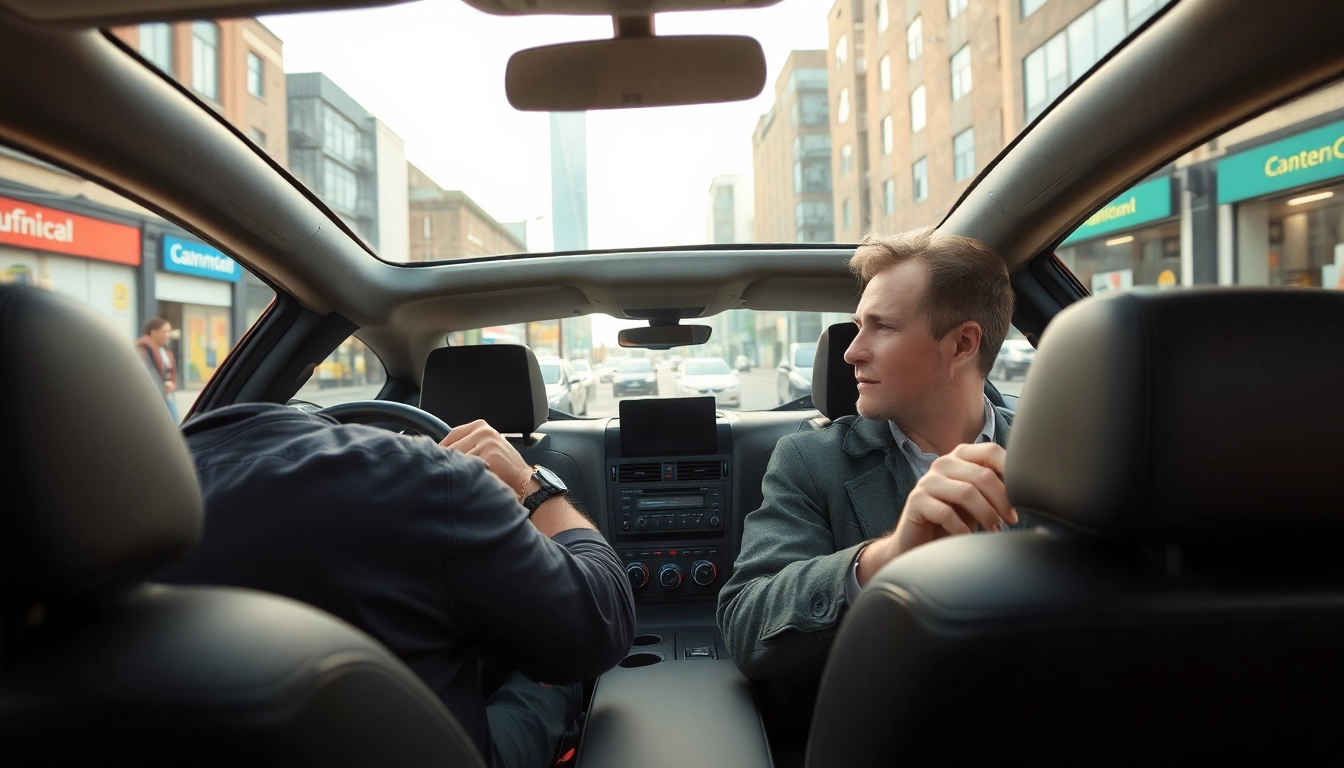
The Importance of Learning Automatic Driving
In recent years, the popularity of automatic vehicles has surged, leading many to consider switching from manual to automatic driving lessons. For individuals looking to get behind the wheel in Manchester, understanding the nuances of automatic driving can be critical. Not only does it simplify the driving process, but it also enhances the overall learning experience, especially for new drivers. If you're contemplating automatic driving lessons Manchester, grasping the significance of these lessons is essential.
Understanding Automatic vs. Manual Transmission
Automatic vehicles operate on a straightforward principle: they change gears automatically based on the speed of the car. This design allows drivers to focus more on the road rather than the transmission. In contrast, manual vehicles require the driver to shift gears manually, which necessitates a more precise skill set. This distinction leads to different learning curves; while both types of driving require concentration and control, many learners find automatic driving less intimidating due to the absence of a clutch and gear shift.
Benefits of Automatic Driving Lessons Manchester
Opting for automatic driving lessons in Manchester has several advantages. For one, it allows for a more relaxed learning environment, making it easier for learners to build confidence behind the wheel. Automatic cars also tend to have features such as advanced safety systems which enhance the learning experience. Additionally, the demand for automatic driving instructors is growing, making it easier to find qualified professionals available for these services. For those with physical limitations or anxiety about manual driving, automatic lessons can provide an accessible alternative.
Common Misconceptions About Automatic Driving
One prevalent myth is that learning to drive an automatic car diminishes overall driving skills. Many believe that because the gear shifting is automated, learners miss out on crucial driving education. However, this is a misunderstanding; automatic driving still encompasses essential elements such as road awareness, defensive driving, and handling various driving conditions. Another misconception is that drivers of automatic vehicles are less knowledgeable about the car’s functionalities. In reality, understanding how to effectively operate and maintain any vehicle, automatic or otherwise, remains vital.
What to Expect from Automatic Driving Lessons
When embarking on your journey to obtain your driver's license, knowing what to expect from your automatic driving lessons can set the stage for success. Understanding the structure and objectives of these lessons will provide clarity and comfort as you transition into this exciting phase of life.
Typical Lesson Structure
Automatic driving lessons usually begin with a brief introduction between the instructor and the learner, followed by an overview of the vehicle's features. Instructors often start with basic maneuvers such as starting, stopping, and steering. As lessons progress, learners will engage in more complex tasks, including parking, merging onto freeways, and navigating different traffic scenarios. Each lesson is designed to build upon previous experiences, ensuring that learners develop a comprehensive set of driving skills over time.
Key Skills You Will Learn
Throughout automatic driving lessons, students will acquire essential driving skills, including:
- Vehicle Control: Understanding how to operate the pedals accurately is crucial.
- Traffic Navigation: Learning to scan the environment for signs, signals, and pedestrians.
- Safety Procedures: Implementing safety checks such as adjusting mirrors and seatbelts before driving.
- Parking Techniques: Mastering parallel parking, bay parking, and reversing.
- Defensive Driving: Anticipating the actions of other road users and reacting accordingly.
How Progress is Measured
Instructor feedback is critical for gauging a learner’s progress during automatic driving lessons. Many driving schools employ structured evaluations to inform both the students and instructors about skills that need improvement. Regular assessments may cover various skills—both practical and theoretical—including road regulations and hazard awareness. This systematic approach ensures that learners remain on track to achieve their driving goals efficiently.
Choosing the Right Driving School in Manchester
The choice of driving school can significantly influence your learning experience. Selecting a school that aligns with your learning style, budget, and goals is crucial to becoming a successful driver.
Factors to Consider When Selecting a School
When evaluating potential driving schools, consider factors such as location, availability, and the school’s teaching approach. It’s essential to choose a school with a flexible schedule that accommodates your availability. Additionally, look for schools that offer tailored lesson plans suited to your specific needs, whether you're a complete novice or require refresher training.
Evaluating Instructor Qualifications
Your instructor plays a critical role in your learning journey. Ensure that they hold the necessary qualifications, such as a valid instructor's license, and are experienced in teaching automatic lessons. A great instructor should not only impart knowledge but also foster a productive learning environment that encourages questions and discussion. Seeking reviews and testimonials from former students can provide valuable insights into the instructor’s teaching style and effectiveness.
Understanding Pricing Models
Cost is a significant factor in deciding on a driving school. Pricing structures can vary widely based on factors like the duration of lessons, packages offered, and additional services included. It’s advisable to compare several schools to understand their pricing models thoroughly. Look for schools offering discounts for bulk lesson purchases or referral programs to enhance the value of your investment.
Tips for a Successful Learning Experience
Maximizing your learning experience is crucial not just for passing tests, but for becoming a competent, confident driver. Here are practical tips to enhance your automatic driving lessons.
Preparing for Your First Lesson
Preparation can significantly alleviate nerves before your first driving lesson. Familiarize yourself with basic driving terminology, such as the functions of the accelerator, brake, and steering wheel. Ensure you have the necessary documentation, like your provisional license. Arriving early can also give you time to relax before the lesson begins.
Practicing Independently
Although professional lessons are essential, independent practice can reinforce what you learn. If you have access to an automatic car outside of lessons, using it to practice maneuvers, ensuring you comply with traffic laws, is beneficial. Additionally, observing experienced drivers and their handling of various traffic situations can offer practical insights.
Staying Motivated Throughout the Process
Learning to drive can present challenges, but maintaining a positive attitude is crucial. Set achievable goals for each lesson and celebrate small victories, such as mastering parking techniques or navigating a busy intersection. Join forums or groups for new drivers to share experiences and gain motivation from your peers.
FAQs About Automatic Driving Lessons Manchester
How long do automatic driving lessons typically take?
Most learners typically require between 20 to 40 hours of professional instruction. Progress can vary significantly based on individual aptitude and practice frequency.
Are automatic driving lessons more expensive than manual?
The costs are generally comparable; however, some driving schools may charge differently based on demand and available resources for automatic vehicles.
Can I switch from automatic to manual lessons later?
Yes, many learners choose to transition to manual lessons after gaining comfort and confidence with automatic driving, broadening their skill set.
Do I need a specific car for lessons?
No specific car is required; driving schools provide vehicles equipped for automatic driving lessons, ensuring that learners receive tailored instruction.
What age can I start automatic driving lessons?
In the UK, learners can begin automatic driving lessons at the age of 17, as long as they possess a valid provisional license.