Understanding Water Leak Detection
Water leak detection is an essential service for homeowners looking to maintain their properties' integrity and avoid costly repairs. Every year, undetected leaks cause extensive damage, leading to structural issues, mold growth, and skyrocketing utility bills. By investing in professional water leak detection services, homeowners can ensure their properties remain safe and efficient. In this guide, we'll explore various aspects of water leak detection, including its importance, common types of leaks, and advanced technologies utilized in the industry.
What is Water Leak Detection?
Water leak detection refers to the process of identifying and locating leaks within a plumbing system before they become significant problems. This can involve both visible and hidden leaks. Detecting leaks early can save homeowners from expensive repairs and health risks associated with mold and dampness.
Importance of Early Leak Detection
Early detection of water leaks is crucial for several reasons:
- Prevent Structural Damage: Water can weaken structural elements, leading to costly repairs.
- Mold and Mildew Prevention: Standing water fosters mold growth, which poses health risks.
- Utility Bill Savings: Constant leaks can inflate water bills, driving up monthly expenses.
- Protecting Property Value: Timely repairs help maintain property resale value.
Common Types of Water Leaks in Homes
Understanding the different types of leaks can help homeowners be more vigilant:
- Pipe Leaks: Often found in walls, floors, or beneath concrete slabs, these leaks might not be visible until significant damage occurs.
- Fixture Leaks: Faucets, toilets, and hose connections can experience leaks that are easier to detect but still need prompt attention.
- Appliance Leaks: Washing machines, dishwashers, and water heaters are common culprits for water damage.
- Roof Leaks: Missing shingles or damaged flashing can lead to leaks that cause ceiling damage inside the home.
Non-Invasive Techniques for Leak Detection
Advancements in technology have made it possible to detect leaks without invasive measures that can damage walls and floors. Non-invasive leak detection not only reduces repair costs but also minimizes homeowner disruption.
Advanced Technologies Used
Several state-of-the-art technologies are employed for leak detection:
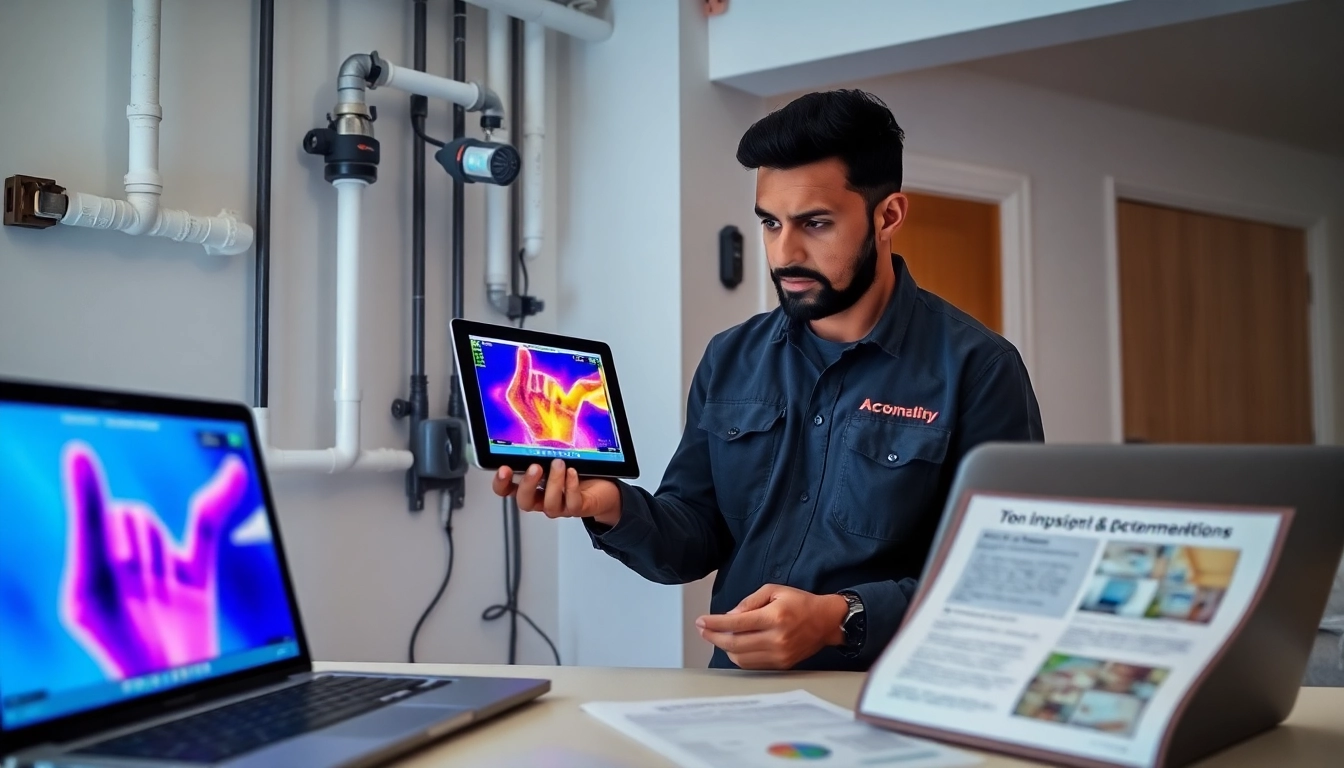
- Thermal Imaging: Thermal cameras can visualize temperature differences caused by leaks, enabling technicians to see where moisture accumulates.
- Acoustic Listening Devices: These devices detect the sound of water escaping through pipes, even when underground.
- Tracer Gas Detection: A non-toxic gas is introduced into the pipe system and then traced to find leaks.
- Moisture Mapping: This technique involves scanning areas for moisture accumulation, helping identify potential leak locations.
Benefits of Non-Destructive Methods
Using non-invasive techniques provides several advantages:
- Minimal Disruption: These methods require less tearing down of walls or floors, saving on repair costs and time.
- Accurate Results: Technology-driven methods yield precise leak locations, allowing for targeted repairs.
- Comprehensive Assessment: Non-invasive methods can not only find leaks but also assess potential damage, aiding in more informed repair decisions.
How Pressure Testing Works
Pressure testing is another effective method for detecting leaks. It involves isolating sections of a plumbing system and monitoring changes in pressure:
- Technicians close off a section of the pipework.
- Pressure is applied, and the system is carefully monitored.
- If the pressure drops, it indicates a leak which can then be localized.
Why Choose Expert Leak Detection Services
While DIY methods and home leak detectors can offer some insights, professional leak detection services provide a comprehensive approach. Hiring experts ensures that your leak problems are addressed effectively.
Qualifications of a Certified Technician
When selecting a leak detection service, it's important to consider the qualifications of their technicians. Certified professionals have undergone rigorous training and possess the necessary tools and techniques for effective leak detection. A qualified technician will often have:
- Industry certifications
- Extensive hands-on experience
- Access to modern detection technologies
- The ability to provide clear reporting and repair recommendations
Customer Testimonials and Case Studies
Real-world experiences can illustrate the significance of professional leak detection services. Many satisfied customers share how timely detection saved them from extensive repairs and damage. Case studies highlight specific incidents where advanced technology was utilized to identify tricky leaks, reinforcing the value of expert intervention.
What to Expect During a Service Call
On a typical service call, homeowners can expect the following steps:
- Initial Assessment: Technicians will begin by assessing the property and discussing symptoms with the homeowner.
- Leak Detection: Using advanced technologies, they will pinpoint the exact location of the leak.
- Reporting: After detection, a detailed report is provided, including photographs and repair recommendations.
- Repair Options: Technicians can often help facilitate the repair process, ensuring the issue is resolved promptly.
Cost Considerations for Water Leak Detection
Understanding the costs associated with leak detection can help homeowners make informed decisions. Prices can vary significantly based on various factors.
Price Ranges for Professional Services
Typically, the cost for professional water leak detection services can range from £550 to £1,250 in the UK. Factors such as the complexity of the leak, location, and necessary technology will influence pricing. Some companies offer packages that include detection and repair services, providing additional savings for homeowners.
Factors Affecting Leak Detection Costs
Several factors can impact the final cost of leak detection services:
- Location of the Leak: Leaks in harder-to-reach areas may require more time and sophisticated technology to locate.
- Extent of Damage: If a leak has caused extensive damage, additional repair costs will be necessary.
- Technology Used: Different detection methods come with varying costs; more advanced technologies typically incur higher service fees.
Long-Term Savings Through Early Detection
While the upfront cost may seem significant, investing in leak detection services can lead to substantial long-term savings. By addressing leaks early, homeowners can avoid much larger expenses related to water damage and repairs in the future. This proactive approach not only safeguards your home but also increases its value.
Future Trends in Leak Detection Technologies
The leak detection industry is constantly evolving, with emerging technologies offering even more effective solutions for homeowners. Staying informed about these trends can help you make better decisions regarding leak prevention and detection.
Emerging Technologies in 2025
Looking ahead to 2025, we can expect innovations such as:
- Smart Leak Detectors: As smart home technology advances, leak detectors that integrate with home automation systems will become more common, allowing for real-time alerts and water shutoff capabilities.
- AI-Driven Analytics: Artificial intelligence may enable systems to predict potential leaks based on water usage patterns, giving homeowners a preventative edge.
- Mobile Applications: New apps may offer homeowners more control and insights into their plumbing systems, facilitating immediate response to leaks.
Predictions for the Leak Detection Industry
Experts predict that as awareness of water conservation grows, more homeowners will seek professional leak detection services. Increased regulations on water usage may also drive demand for accurate and efficient leak detection solutions. Companies will likely invest in training and technology to stay competitive in this evolving market.
How Homeowners Can Stay Informed
To keep abreast of developments in leak detection technologies, homeowners should regularly consult reputable sources and consider joining local homeowners' associations. Additionally, staying updated on industry news and advancements can help leverage the benefits of new technologies as they become available.