
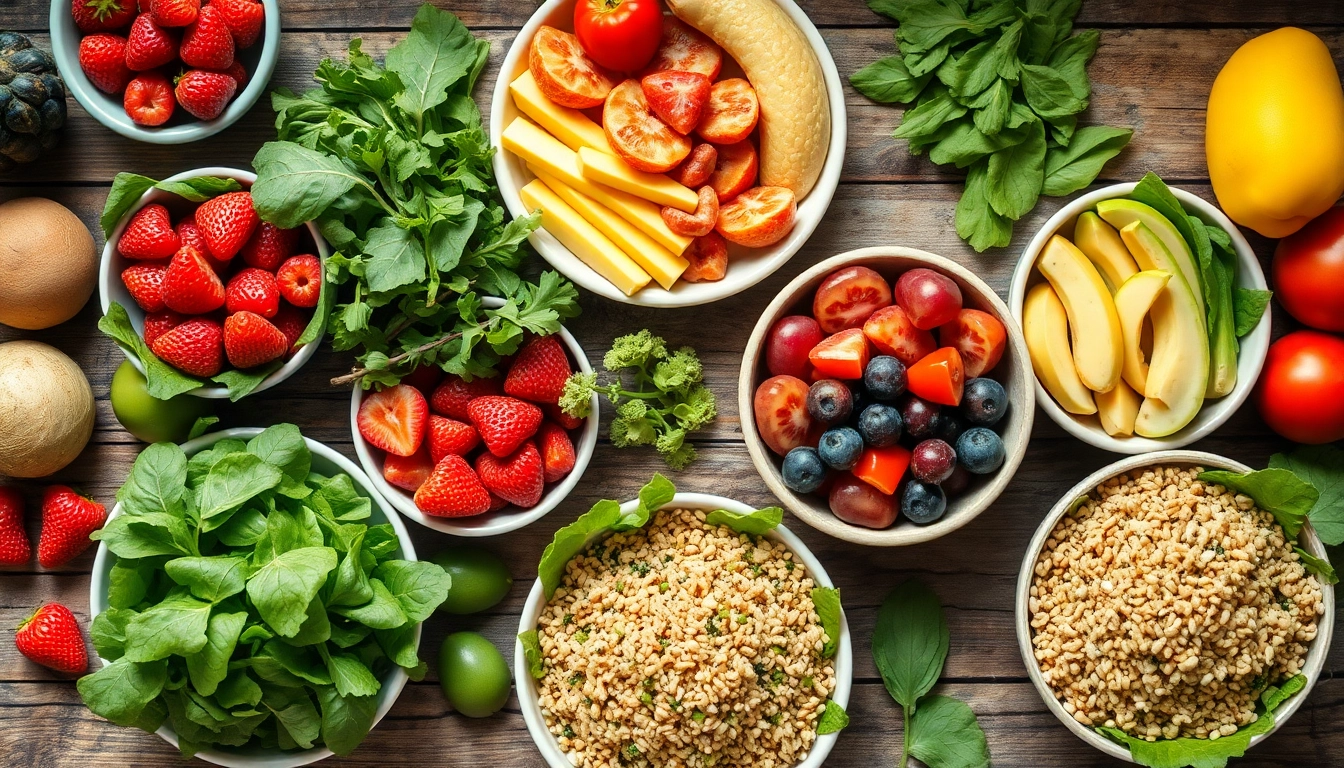
Understanding the Basics of Healthy Food
What Constitutes Healthy Food?
Healthy food is often defined as food that provides essential nutrients like vitamins, minerals, fats, proteins, and carbohydrates necessary for maintaining health, growth, and overall bodily functions. This definition also incorporates the concept of Healthy Food as those that are minimally processed and free from harmful additives. A balanced diet typically includes a variety of fruits, vegetables, whole grains, lean proteins, and healthy fats. Each of these food groups contributes to proper body functioning and aids in disease prevention.
The Importance of Nutrient-Dense Foods
Nutrient-dense foods are those that provide a high level of nutrients relative to the number of calories they contain. Foods such as leafy greens, bright-colored fruits, lean meats, and whole grains are examples of nutrient-dense choices that help to maximize your health without leading to excess calorie intake. Research indicates that diets rich in nutrient-dense foods can help manage body weight, maintain energy levels, and enhance overall vitality.
How to Read Nutrition Labels Effectively
Reading nutrition labels is vital for making informed food choices. Key components of a nutrition label include serving size, calories, and nutrient breakdown (fats, carbohydrates, and proteins). Pay close attention to the % Daily Value (%DV) to gauge if a food item is high or low in a particular nutrient. Aim to choose foods with high percentages of dietary fiber, vitamins, and minerals, while being cautious of those high in saturated fats, sugars, and sodium.
Benefits of Incorporating Healthy Food into Your Diet
How Healthy Food Supports Weight Management
Incorporating healthy food into your meals can significantly impact weight management. Foods high in fiber and water, such as fruits and vegetables, can help you feel fuller longer, reducing overall calorie intake. Studies have shown that individuals who prioritize whole, nutrient-dense foods tend to maintain healthier weights compared to those who consume processed and high-calorie options.
Boosting Energy Levels with Nutrient-Rich Foods
A well-balanced diet rich in healthy foods provides sustained energy levels throughout the day. Foods like nuts, seeds, fruits, and whole grains release energy gradually, preventing spikes and crashes that are common with sugary snacks. Lean proteins, such as chicken or legumes, further support energy maintenance by providing essential amino acids that aid muscle function and recovery.
Healthy Food and Mental Health: The Connection
Emerging research highlights the strong connection between diet and mental health. Nutrient-rich foods nourish the brain and can improve mood and cognitive function. Omega-3 fatty acids found in fish and walnuts, for instance, have been linked to a reduced risk of depression. Incorporating a variety of fruits, vegetables, whole grains, and healthy fats into your diet can foster a more positive mental state as well as improve concentration and memory.
Practical Tips for Eating Healthy Food
Meal Planning for Busy Lifestyles
For many, maintaining a healthy diet is challenging due to time constraints. Meal planning can be a game changer. By dedicating time each week to prepare balanced meals, you can ensure healthy options are readily available. Consider batch cooking staples like whole grains, lean proteins, and roasted vegetables to mix and match throughout the week, reducing the temptation to indulge in fast food.
Shopping for Healthy Food on a Budget
Eating healthy does not have to break the bank. Utilize grocery lists based on seasonal produce to cut costs while enjoying fresher ingredients. Consider shopping at local farmers' markets, buying in bulk, or choosing store-brand products over name brands, which can often be more expensive. Planning meals around the weekly sales can also lead to significant savings while promoting healthy choices.
Healthy Cooking Techniques to Maintain Nutrients
The cooking techniques you employ can significantly impact the nutrient content of your food. Methods such as steaming, sautéing, or baking instead of frying can help maintain essential nutrients. Additionally, cooking methods that minimize the use of added oils and fats can enhance the overall health profile of your meals.
Common Challenges in Maintaining a Healthy Diet
How to Overcome Cravings for Unhealthy Foods
Cravings for unhealthy foods are common, but there are strategies to manage them. To overcome these cravings, it can be helpful to keep healthy snacks readily available and practice mindful eating. An occasional treat is acceptable, too; moderation is key. Consider substituting unhealthy snacks with healthier options, such as hummus with vegetables or dark chocolate instead of milk chocolate.
Addressing Time Constraints and Easy Solutions
Time constraints are one of the biggest obstacles to healthy eating. One solution is to prepare simple dishes that require minimal effort but are nutritious. Smoothies can be made quickly with frozen fruits, vegetables, and protein sources, and whole-grain wraps can be filled with various healthy ingredients for a fast meal. Involving the whole family in meal prep can save time and encourage healthy eating habits among both adults and children.
Social Situations: Navigating Healthy Options
Eating healthily in social situations can be challenging, especially when dining out. Planning ahead is important. Review menus in advance to find healthy options and suggest places that offer nutritious choices. When attending social gatherings, consider bringing a healthy dish to share, ensuring there will be at least one wholesome option available. Practicing assertiveness about your preferences can also help you stick to your dietary goals.
Advanced Strategies for a Balanced Diet
The Role of Supplements in Healthy Eating
While obtaining nutrients from food is ideal, supplements can play a supportive role, especially for individuals with dietary restrictions or specific health concerns. Supplements such as multivitamins, omega-3s, and vitamin D can help fill nutritional gaps but should not replace whole foods. It is always best to consult with a healthcare provider before starting any new supplement regimen.
Understanding Dietary Needs and Individual Goals
Dietary needs can vary greatly from person to person. Understanding your own unique health status, age, activity level, and any underlying conditions is crucial for tailoring a diet that meets your individual goals. Consulting a registered dietitian or nutritionist can provide personalized guidance and assist in creating a customized meal plan that addresses personal health and fitness objectives.
Tracking Your Progress: Tools and Apps for Healthy Eating
Tracking your food intake and nutrient consumption can bolster your healthy eating journey. Various apps and tools can help you monitor your dietary choices, set goals, and assess how they align with your health objectives. Utilizing tools like MyFitnessPal or Cronometer can provide insights into your eating patterns and help maintain accountability, improving your chances for long-term success.