
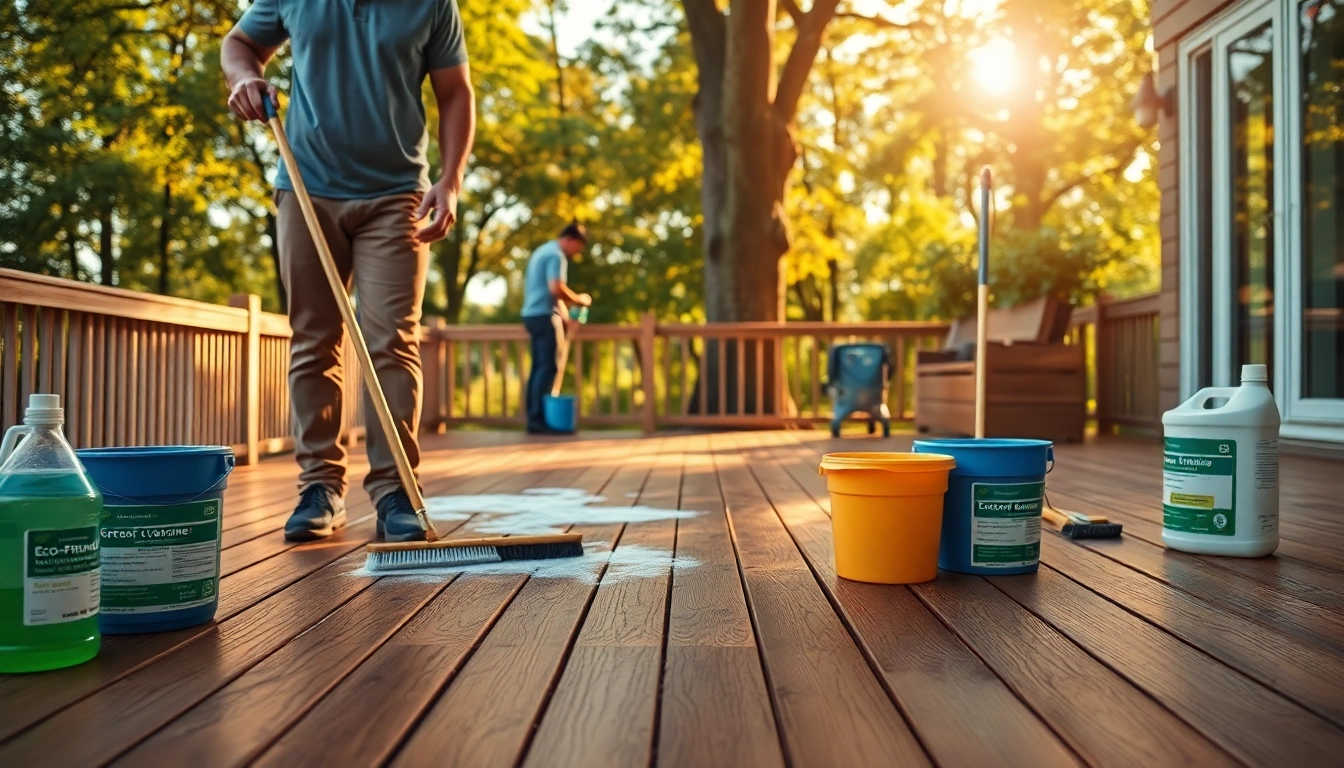
Understanding Wooden Surface Cleaning: The Essentials
Cleaning wooden surfaces is critical for maintaining their beauty and longevity. Wooden surfaces, whether they be furniture, fences, or decks, require special attention due to their unique composition and sensitivity to water and cleaning products. Proper wooden surface cleaning techniques not only enhance their aesthetic appeal but also protect against wear and tear, extending their lifespan. In this comprehensive guide, we will delve into the essentials of wooden surface cleaning, from understanding the unique qualities of wood to effective cleaning methods and maintenance practices.
What Makes Wooden Surfaces Unique?
Wood is a natural material that offers warmth and beauty to our homes and gardens. However, its porous structure means it is susceptible to dirt, stains, and moisture damage. Unlike synthetic materials, wood can swell, warp, or crack if not cared for properly. Additionally, the grain of the wood adds to its visual appeal but requires that cleaning be done in a specific manner to avoid damaging the surface.
Benefits of Regular Wooden Surface Cleaning
Maintaining a regular cleaning schedule for your wooden surfaces has several benefits:
- Preservation of Beauty: Regular cleaning helps retain the natural shine and color of the wood, preventing dullness and discoloration.
- Protection Against Damage: Cleaning removes dust, dirt, and harmful agents that can lead to scratches, stains, or rot.
- Health Benefits: Dust and allergens can accumulate on wooden surfaces, which could impact air quality. Regular cleaning helps mitigate this risk.
- Increased Longevity: Proper care prolongs the life of wooden surfaces, making them a worthy investment in your home.
Common Materials Used in Wooden Surfaces
Understanding the type of wood and its finishing is essential to select the right cleaning approach. Common materials include:
- Hardwoods: Such as oak, maple, and cherry, are often used for furniture and cabinets; they require gentle cleaning to maintain their finish.
- Softwoods: Such as pine and cedar, are frequently used in construction or outdoor areas. These materials may need more frequent cleaning due to their susceptibility to scratches.
- Pressure-Treated Lumber: Commonly seen in decking, this type of wood is designed to resist moisture but still requires cleaning to prevent mold and mildew.
Tools and Products for Effective Wooden Surface Cleaning
Must-Have Cleaning Tools for Wooden Surfaces
Investing in the right tools is crucial for effective wooden surface cleaning. Key tools include:
- Microfiber Cloths: These are soft, non-abrasive, and ideal for cleaning wood without causing scratches.
- Soft-Bristled Brush: Useful for loosening and removing dirt from crevices.
- Buckets: Essential for mixing cleaning solutions and rinsing cloths.
- Vacuum Cleaner with Brush Attachment: Helps in removing dust and debris from wooden surfaces.
Top Eco-Friendly Products for Wooden Surface Cleaning
Using environmentally friendly cleaning products is beneficial for both your health and the environment. Effective eco-friendly options include:
- Mild Dish Soap: A mixture of warm water and a few drops of dish soap is an effective cleaning solution.
- Vinegar: A natural cleaner that breaks down grime without damaging finishes. Mix equal parts of vinegar and water.
- Olive Oil: Used to condition the wood after cleaning, restoring its natural luster.
- Baking Soda: A gentle abrasive that can tackle tough stains when formed into a paste with water.
Homemade Solutions for Wooden Surface Care
Many homeowners prefer DIY solutions for cost-effectiveness and safety. Here are a few homemade cleaning solutions:
- Soap and Water Solution: Ideal for daily cleaning. Mix one tablespoon of dish soap into a bucket of warm water.
- Vinegar and Oil Mixture: To shine and condition wood, mix one part vinegar with three parts olive oil and apply sparingly with a cloth.
- Baking Soda Paste: Combine baking soda and water into a paste. Apply it gently to stains and wipe clean.
Step-by-Step Guide to Wooden Surface Cleaning
Pre-Cleaning Preparation Steps
Before starting the cleaning process, preparation is key. Follow these steps:
- Gather Materials: Collect all cleaning tools and products you will need.
- Dust the Surface: Use a dry microfiber cloth to remove dust and loose particles.
- Check for Damage: Inspect the wood for scratches or damage that might need specific attention while cleaning.
Best Practices for Cleaning Wooden Surfaces
While cleaning wooden surfaces, it’s important to follow best practices to avoid damage:
- Use a Damp Cloth: Clean with a damp cloth following the grain of the wood to avoid raising the grain.
- Avoid Excess Water: Never saturate the wood with water; excessive moisture can lead to warping.
- Dry Immediately: After cleaning, dry the surface immediately with a lint-free cloth to prevent water stains.
Post-Cleaning Maintenance Tips
Once cleaning is done, consider these maintenance practices to ensure your wood stays in good condition:
- Regular Dusting: Dust wooden surfaces weekly to prevent buildup.
- Use Coasters: To avoid water rings and heat damage, use coasters under beverages.
- Conditioning: Apply a wood conditioner or polish every few months to maintain its shine.
Advanced Techniques for Deep Cleaning Wooden Surfaces
Dealing with Stains and Scratches
Stains can be particularly challenging to remove. Consider these techniques:
- For Water Rings: Mix equal parts of vinegar and olive oil and rub gently into the stain to lift it.
- For Scratches: Use a walnut to rub the scratched area; the natural oils can help conceal the scratch.
- For Grease or Food Stains: Use a mixture of baking soda and water as a gentle abrasive to lift the stains.
Restoring Shine to Dull Wooden Surfaces
To bring back the shine to dull wood, try these methods:
- Baking Soda and Water Paste: Apply the paste and rinse to restore the wood’s natural shine.
- Adding Olive Oil: After cleaning, buff the surface lightly with olive oil to enhance its luster.
- Use Commercial Wood Polish: If natural remedies don't work, consider using a quality polish designed for wood surfaces.
Using Professional Services for Complex Cases
For intricate wooden structures or severe damage, engaging professional cleaning services can be an effective solution:
- Restoration Services: These professionals can restore antique or damaged wooden furniture expertly.
- Deep Cleaning Treatments: Offered by specialists, they can remove complex stains and restore finishes that DIY methods may not resolve.
Measuring the Success of Your Wooden Surface Cleaning
Indicators of a Job Well Done
After you complete your cleaning, evaluate the outcomes:
- Visual Appeal: The surface should appear clean, glossy, and free of dust or buildup.
- Touch: The surface should feel smooth without any stickiness or residue.
- Durability: After cleaning, surfaces should withstand regular use without signs of wear.
Challenges Faced During Wooden Surface Cleaning
Cleaning wooden surfaces can come with its challenges. Common issues include:
- Water Damage: Over-saturation can warp or discolor wood.
- Stain Removal: Some stains can be stubborn and require special treatment.
- Scratches: Regular use can lead to scratches, which may require refinishing rather than simple cleaning.
Feedback and Improvement Strategies
To improve your wooden surface cleaning technique continuously, consider these strategies:
- Seek Feedback: Gather opinions from family or friends on the results of your cleaning efforts.
- Educate Yourself: Stay updated on the latest cleaning techniques and products by reading articles or consulting professionals.
- Document Results: Keep a log of which methods and products work best to enhance future cleaning sessions.