
Understanding Training Gamification
What is Training Gamification?
Training gamification is the integration of game-based elements into training environments to enhance learner engagement and motivation. It transforms traditional training methods into interactive and enjoyable experiences by applying principles found in game design. By utilizing elements like points, badges, levels, and challenges, organizations can turn mundane learning procedures into exciting journeys. This strategic approach not only fosters engagement among employees but also aids in knowledge retention and skill development. For an in-depth exploration of why training gamification is essential in modern learning, we can look at various case studies and applications across diverse industries.
Benefits of Gamified Training Strategies
Gamified training strategies offer numerous benefits that can significantly impact both employees and organizations:
- Increased Engagement: Incorporating game elements makes training more appealing, leading to higher participation rates. Engaged employees are more likely to complete courses and absorb the material effectively.
- Enhanced Motivation: Elements like leaderboards and rewards create an environment of friendly competition, which motivates participants to improve and achieve better scores.
- Improved Knowledge Retention: Game mechanics encourage repeated practice and application of knowledge, which contributes to longer-term retention and understanding.
- Real-Time Feedback: Participants can receive immediate feedback on their performance through points systems or progress trackers, helping them identify areas for improvement quickly.
- Customizable Learning Experiences: Gamified training allows for personalized pathways, catering to different learning styles and paces, which can lead to improved outcomes.
- Fun and Interactive Learning Environment: Gamification adds an element of enjoyment to training, making it less of a chore and more of an engaging experience.
Common Challenges in Implementing Gamification
Despite its benefits, implementing training gamification can present several challenges:
- Misalignment with Learning Objectives: If gamification elements are introduced without clear alignment with training goals, they can distract rather than enhance learning.
- Overemphasis on Competition: While competition can motivate, too much focus on leaderboards may hinder collaboration and discourage those who are less competitive.
- Technical Limitations: Some organizations may lack the necessary infrastructure or technical knowledge to effectively implement gamified solutions.
- Employee Resistance: Some employees may view gamification as childish or irrelevant, resisting participation and ruining the intended impact.
- Short-Term Focus: Organizations might prioritize immediate engagement over long-term learning strategies, undervaluing the depth of understanding that can come from gamified experiences.
Designing Effective Gamification Elements
Integrating Points, Badges, and Leaderboards
To create an effective gamified training program, it’s vital to intelligently integrate points, badges, and leaderboards.
Points: Points serve as a crucial motivator in gamification. They can be awarded for completing tasks, participating in discussions, or achieving knowledge milestones. This numerical representation of progress helps learners gauge their performance over time.
Badges: Badges provide recognition for various achievements, such as mastering a specific skill or completing a training module. They act as visual milestones that encourage learners to strive for more accolades.
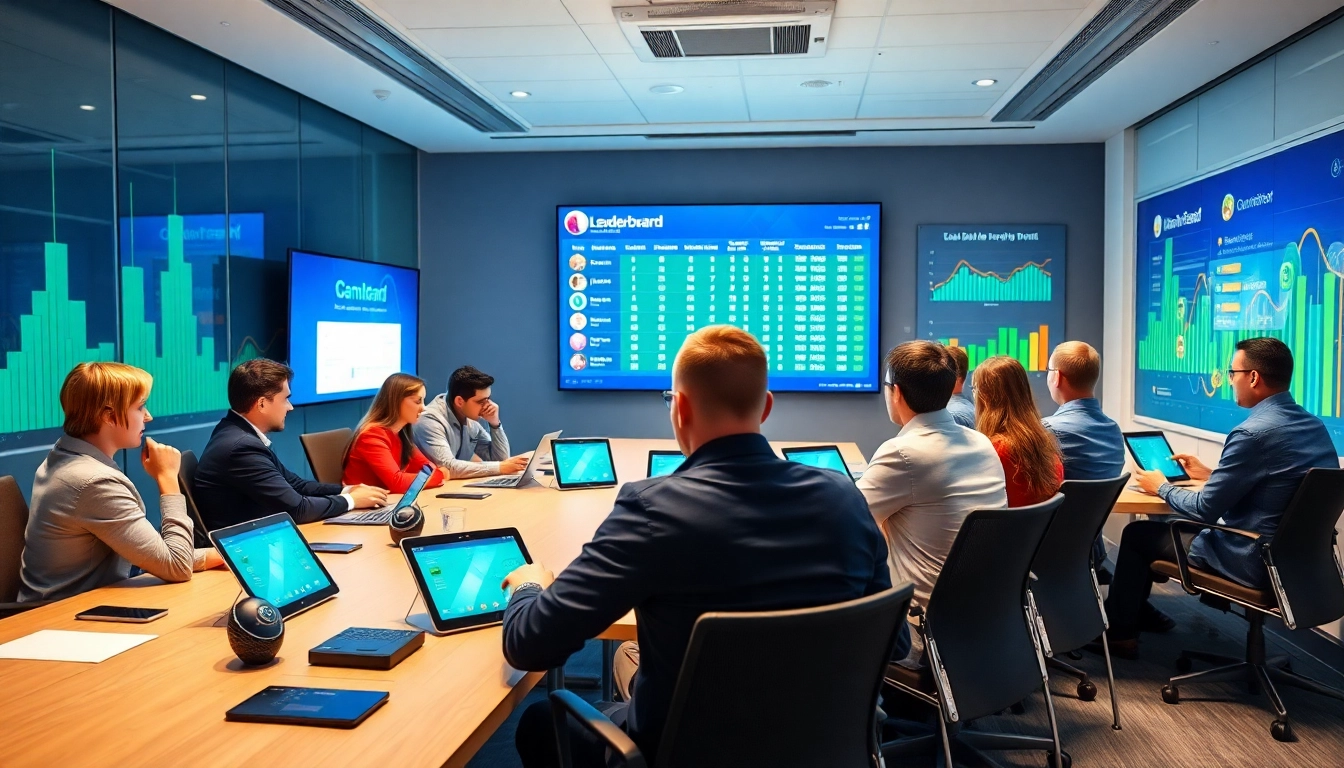
Leaderboards: Displaying a leaderboard fosters a sense of competition among learners. It can drive individuals to engage more deeply with the content in hopes of climbing the ranks, all while being mindful of maintaining healthy competition among peers.
Aligning Game Mechanics with Learning Objectives
It's essential that game mechanics directly support the learning objectives. Understanding the specific skills or knowledge that the training aims to enhance will allow for a more strategic implementation of gamification.
For instance, if the objective is to enhance customer service skills, scenarios can simulate challenging customer interactions where learners earn points for successfully navigating these situations. Conversely, if the goal is to build technical skills, implementing challenges with varying levels of complexity can encourage learners to advance through proficiency levels.
Examples of Successful Gamification in Training
Numerous organizations exemplify successful gamification strategies:
- Deloitte: Their leadership training program incorporates gaming elements such as simulation games where users must develop strategies and make decisions. This approach has shown an increase in engagement levels among participants.
- Google: Google uses gamification in its employee onboarding processes, incorporating interactive modules where new hires earn points and badges as they learn about company culture and policies.
- McDonald's: Through their training app, McDonald’s has transformed employee training into fun quizzes and competitive games, significantly reducing training time while improving knowledge retention.
Steps to Implement Training Gamification
Planning Your Gamified Training Program
Successful implementation relies on meticulous planning. Here are key steps to consider:
- Define Objectives: Clearly outline what you want to achieve with your gamified training. This could include enhancing skills, improving retention, or increasing engagement.
- Identify Target Audience: Understanding the demographics, preferences, and learning styles of participants is crucial for tailoring the experience.
- Select Game Mechanics: Decide on the game elements that will best suit your objectives. Choose a combination of points, badges, challenges, and storytelling elements for engagement.
- Create Content: Develop the learning content ensuring it connects with the chosen game mechanics. This includes designing quizzes, scenarios, and challenges.
- Choose a Platform: Identify the right learning management system (LMS) or software that supports gamification and simply integrates with existing systems.
Choosing the Right Tools for Gamification
Various tools can assist in implementing gamification in training:
- Learning Management Systems (LMS): Platforms like Moodle and TalentLMS come with built-in gamification features allowing for badges, progress tracking, and leaderboards.
- Gamification Software: Solutions such as Bunchball and Badgeville focus solely on gamification, providing features to create engaging learning experiences.
- Custom Development: For unique requirements, consider developing a bespoke solution that aligns specifically with your training goals.
Measuring Success in Gamified Learning
Measurement is critical to understanding the effectiveness of gamified training. Here are metrics to consider:
- Completion Rates: Track how many participants complete the training versus those who drop out.
- Engagement Levels: Monitor participation rates in activities and interactions with the platform's gamified elements.
- Performance Improvement: Assess pre- and post-training performance to quantify skill enhancement or knowledge acquisition.
- Feedback Surveys: Solicit participant feedback to gauge their perceptions of the gamified experience and areas for enhancement.
Advanced Gamification Techniques
Personalization in Training Gamification
Personalization is a powerful tool in gamification. Tailoring experiences to reflect individual learning paths enhances the relevance and effectiveness of training:
Learning Pathways: Adaptive learning technologies can create personalized pathways based on learner performance. Tailoring challenges or rewards to a participant's abilities fosters a sense of ownership.
Dynamic Difficulty Adjustments: Games that adapt the level of difficulty based on real-time performance can keep users challenged without overwhelming them.
Interactive Storytelling as a Game Mechanic
Storytelling can effectively increase engagement by contextualizing learning within a narrative. Here’s how to integrate storytelling into gamified training:
Create scenarios where learners must navigate through a storyline by making decisions that reflect the learning objectives. For instance, in a compliance program, learners could take on the role of a character faced with ethical dilemmas, making decisions that lead to different outcomes. This not only immerses them in realistic situations but also enhances retention through the emotional connections built within the story.
Utilizing Feedback Loops to Enhance Engagement
Feedback loops are essential for reinforcing learning and maintaining engagement in gamified environments:
- Immediate Feedback: Provide instant feedback on exercises and assessments to keep learners informed and engaged with their progress.
- Progress Tracking: Use visual progress indicators that show learners how much they've accomplished, motivating them to engage further.
- Rewarding Persistence: Incorporate systems that reward learners not just for achievements but for effort and persistence, recognizing the challenges they face during their learning journey.
The Future of Training Gamification
Emerging Trends in Gamified Learning
The landscape of gamified learning continues to evolve with new trends that are reshaping training methodologies. Some of these trends include:
- Virtual and Augmented Reality: These technologies create immersive environments where learners can engage in real-world scenarios, enhancing practical skills and experiences.
- AI and Machine Learning: Using AI to personalize learning experiences and adapt content based on user interactions leads to more tailored training programs.
- Microlearning: Gamification combined with microlearning modules allows users to consume bite-sized information while earning rewards, making learning less daunting and more manageable.
Technological Innovations Shaping Gamification
As technology advances, so does the prospect of gamifying training further. Enhanced analytics, AI-driven insights, and sophisticated gamification structures will allow educators to:
- Identify learning trends and patterns, providing targeted training interventions.
- Adopt real-time feedback mechanisms that adjust training content dynamically based on performance.
- Create virtual immersive experiences that can be tailored to specific scenarios and environments.
Preparing for the Next Generation of Training Gamification
Organizations need to stay informed about the advancements in gamification to effectively prepare for future developments. Key preparation strategies include:
- Continuous Learning: Encourage teams to stay abreast of gamification research and trends.
- Experimentation: Pilot different gamification strategies and collect data on their effectiveness to inform future developments.
- Integration with Learning Technologies: Ensure that all gamified elements align smoothly with existing learning management systems and technologies for seamless user experiences.